
Blog
Stop Feeding It! Are Grapes Actually a Hidden Poison for Hamsters?
December 04,2025
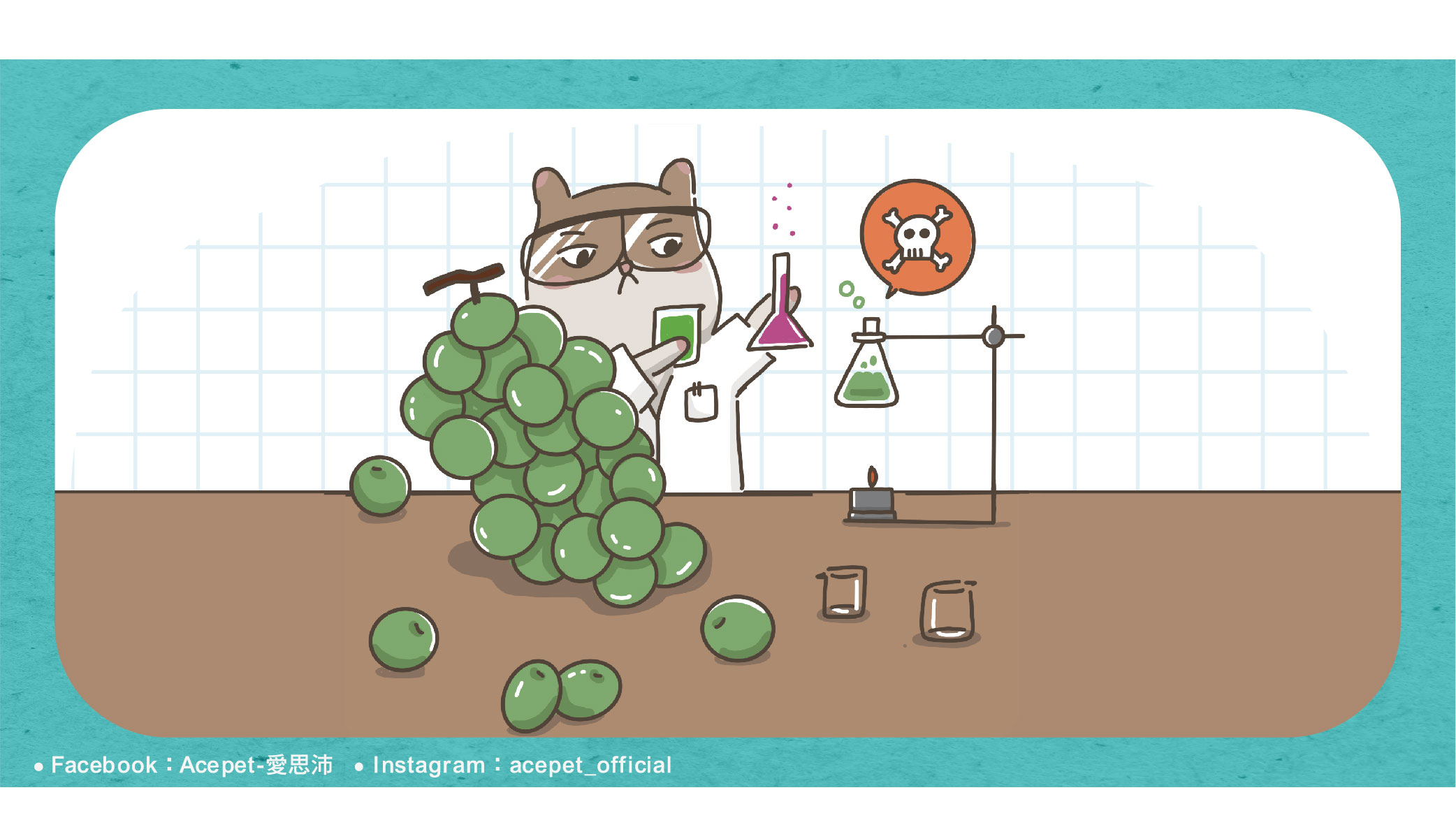
Why Can’t Hamsters Eat Grapes? Here’s the Full Explanation!
Does your hamster love sweet fruits?
Before you give any, you must know this: grapes are a high-risk forbidden food for hamsters!
The reason is not just “too much sugar.” It involves multiple risks such as high sugar content, high moisture, kidney and metabolic load, and pesticide residues.
1. Extremely High Sugar → Triggers Obesity, Diabetes, and Metabolic Disorders
Hamsters are not built to handle high-sugar foods, especially the following two types:
-
Campbell’s dwarf hamster
-
Winter White dwarf hamster
These two breeds are naturally very prone to diabetes.
Grapes contain a large amount of sugar. Hamsters are tiny, and their liver and pancreas can only handle limited metabolic stress. Even a very small amount of grape can cause:
-
Rapid spike in blood sugar
-
Obesity
-
Development of diabetes
-
Cataracts
-
Reduced metabolic function
This is the most well-established and major risk, without mentioning any uncertain toxins.
2. Extremely High Water Content → Diarrhea, Dehydration, Digestive Stress
A hamster’s digestive system is not designed to take in a large amount of water at once.
Grapes contain about 80% water, making them extremely juicy.
After consuming grapes, hamsters may experience:
-
Soft stools or diarrhea
-
Gastrointestinal discomfort
-
Electrolyte imbalance
-
In severe cases, dehydration
Because hamsters are so small, even short episodes of diarrhea can result in dangerous fluid loss.
3. Pesticide Residue Load → Stronger Impact on Small Animals
Grape skins are known to have relatively high pesticide residue.
Even if safe for humans, for a hamster weighing only 30–100 g, this means:
-
Limited liver detoxification capacity
-
Increased kidney burden
-
Chemical exposure magnified 20–50 times
Even thorough washing or peeling cannot completely eliminate this risk.
This is a confirmed scientific risk: small animals × chemical residue = higher relative exposure.
4. Sweet Fruits Disrupt Dietary Balance
A hamster’s diet should be based on:
-
Grains
-
Seeds
-
Protein sources (such as insects)
-
Small amounts of vegetables
Grapes are too sweet and too watery, disrupting the nutritional balance of their regular feed and increasing risks such as:
-
Liver strain
-
Metabolic disorders
-
Dental problems (soft foods reduce natural tooth wear)
These are well-known, documented health concerns.
What If Your Hamster Wants Fruit? Safe Alternatives
Much safer options include:
-
Small pieces of apple (seed removed)
-
One blueberry
-
Thin slices of banana (very small amount)
-
Tiny portions of corn or carrot
Feeding rules:
-
1–2 times per week
-
Each serving should be smaller than your fingernail
-
Treats only — not part of the daily diet
A Gentle Reminder for Hamster Owners
A hamster weighs less than a single grape.
Its kidneys, liver, and pancreas are extremely delicate.
Many fruits that seem “healthy” to humans
can become overwhelmingly stressful foods for a hamster.
So the safest practice is:
Avoid grapes, avoid raisins, and avoid all high-sugar, high-moisture fruits.
Article Classification
Recent Articles
- 2026 Wholesale Hamster Carrier Purchasing Guide: Unlocking Growth Opportunities in the Global B2B Pet Supplies Market
- How to Choose the Right Cat Litter Box Manufacturer: Key Strategies for Pet Product OEM/ODM Success
- The Ultimate Global Hamster Cage Wholesale Guide: How to Choose the Right Manufacturer for Your Business
- Don’t Wait for Picky Eating! The Essential Guide to Using Freeze-Dried Pet Food
- The Complete Pet Mat Guide | From Materials and Types to Buying Tips for Creating a Comfortable Life for Your Pet