
Blog

- Home
- Blog
- Pet Supplies Wholesale
- Why Work with a Pet Supplies Wholesale Distributor? Key Insights for Retailers and E-commerce Sellers
Why Work with a Pet Supplies Wholesale Distributor? Key Insights for Retailers and E-commerce Sellers
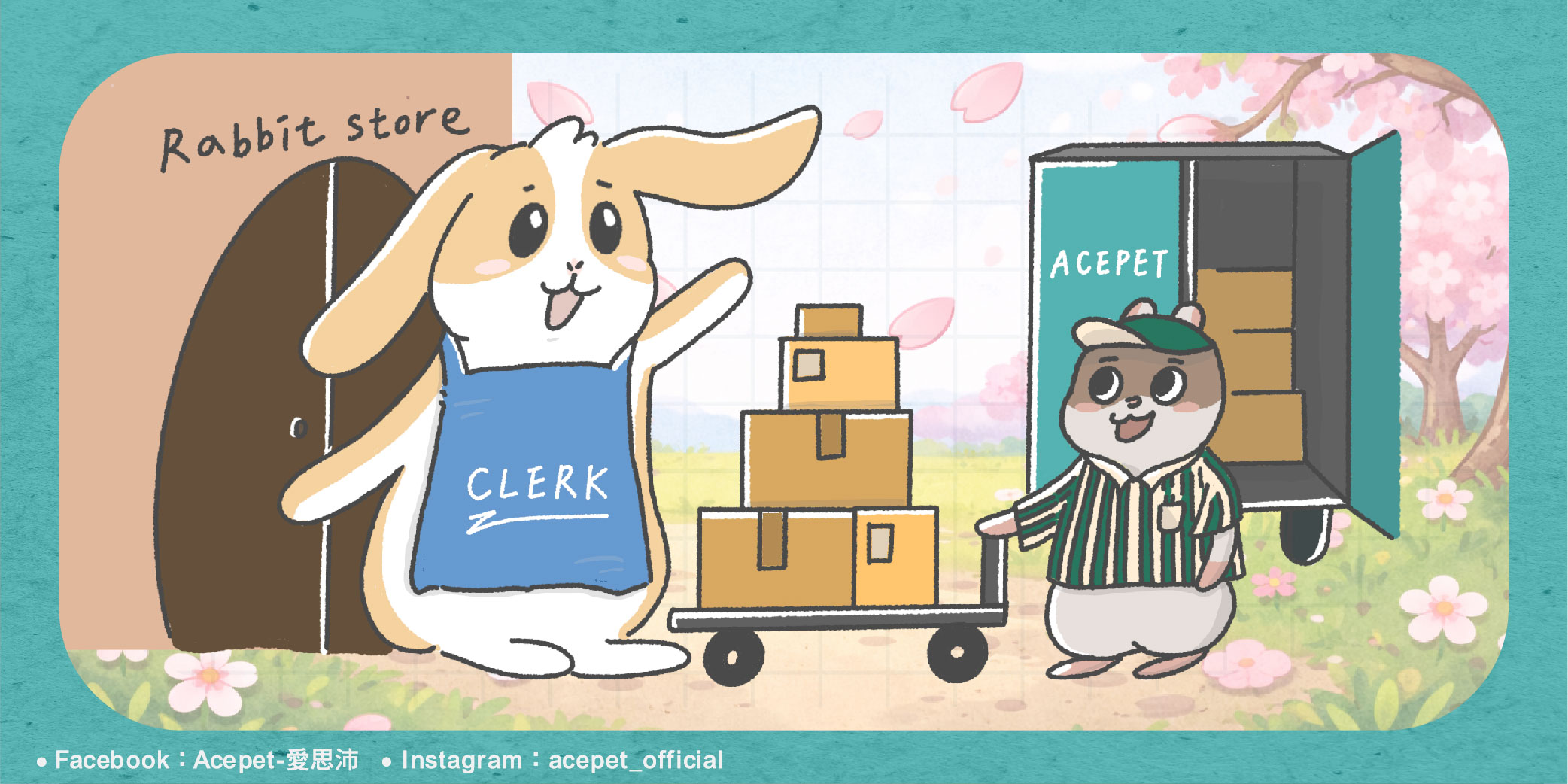
In recent years, the global pet market has continued to grow. From physical pet stores to e-commerce platforms such as Shopee, momo, and Amazon, demand for pet supplies has increased rapidly. However, as competition intensifies, retailers and e-commerce operators face more challenges, including the need for a complete product assortment, strong price competitiveness, and stable replenishment.
In this environment, “supply chain efficiency” is often more important than any single product. Therefore, more and more pet retailers and e-commerce sellers choose to work with a professional pet supplies wholesale distributor. Through integrated procurement and stable supply, they reduce operational risks and enhance competitiveness. From the perspective of retail and e-commerce operations, this article explains the role of a pet supplies wholesale distributor in the supply chain, as well as the key evaluation factors businesses should consider when selecting a wholesale partner.
Why Work with a Pet Supplies Wholesale Distributor? Three Core Needs of Retailers and E-commerce Operators
Whether you run a physical pet store, a chain retail channel, or sell on platforms such as Shopee, momo, and Amazon, you face the same issues: products must be comprehensive, pricing must be competitive, replenishment must be fast, and inventory cannot be overstocked. Under such operational pressure, choosing the right partner becomes a key factor that affects efficiency and profitability. This is why more and more businesses choose to cooperate with a professional pet supplies wholesale distributor, using scale integration and supply chain optimization to solve the core pain points of retail and e-commerce operations.
Product Line Breadth and Depth
The first core need is procurement efficiency and product-line completeness. For retailers, if customers cannot find what they want in-store, they may switch to competitors. For e-commerce sellers, the number of products and variety of SKUs directly affect search exposure and conversion rates. However, purchasing each category from different small suppliers not only increases communication costs and creates fragmented orders, but also makes it difficult to build stable supply relationships.
〈Related Reading:How to Pick the Perfect Pet Water Bottle? Get the Essentials Right and Keep Your Pet Happy, Hydrated, and Healthy.〉
A professional pet supplies wholesale distributor usually offers both breadth and depth across product lines, covering pet bowls, water dispensers, cat litter, pee pads, pet carriers, toys, cleaning supplies, and more—often extending to different materials, sizes, and price ranges. With one-stop consolidated procurement, retailers and e-commerce operators can greatly reduce purchasing complexity while quickly building a complete product structure, improving store professionalism and increasing average order value.
Price Advantages Through Scale Purchasing
The second core need is cost structure and price competitiveness. In the era of transparent e-commerce pricing, consumers can compare prices across platforms with just a few clicks, continuously compressing profit margins. Without a stable supply source with scale advantages, it is difficult to maintain reasonable profits while still ensuring quality.
A pet supplies wholesale distributor typically secures better purchase prices through bulk procurement and centralized inventory, then passes these cost advantages on to downstream customers. For retailers, this means better purchasing costs and stronger gross margins. For e-commerce sellers, it means maintaining basic profitability even during price wars—without sacrificing quality to gain traffic. In addition, distributors often provide flexible order quantities and products across multiple price tiers, helping businesses adjust product mixes based on market positioning and optimize overall profit structures.
Warehouse and Logistics Efficiency
The third core need is replenishment speed and inventory pressure management. Pet supplies are part of a high-frequency consumption market, especially consumables such as cat litter, pee pads, pet food, and cleaning supplies, which have stable sales cycles and require frequent replenishment. For retailers and e-commerce operators, the biggest challenge is often not sales, but how to balance product availability with inventory pressure. Ordering too much at once can lead to capital lock-up and storage burdens; replenishing too slowly can result in empty shelves.
A pet supplies wholesale distributor typically has mature warehouse and logistics systems that provide stable inventory capacity and fast shipping services. Through a small-quantity, frequent-restocking model, retailers can adjust purchase volumes according to actual sales rhythms, maintain stable supply without heavy stockpiling, and keep healthy cash flow and inventory turnover.
A Pet Supplies Wholesale Distributor Provides More Than “Products”—It Provides “Supply Chain Capability”
In an increasingly competitive pet market, retailers and e-commerce operators are no longer only asking “what products should we sell,” but “how do we ensure stable supply, control costs, and understand market trends.” As market changes accelerate, relying on single-brand sourcing or fragmented purchasing is no longer sufficient to sustain long-term operations. At this point, the role of a pet supplies wholesale distributor goes beyond wholesaling products—it becomes a core provider of supply chain capability.
Value Layer 1: Solving the Most Realistic Stockout Risk for Retailers
For pet retailers and e-commerce sellers, stockouts do not only mean short-term lost sales—they can also undermine customer trust and platform performance. Especially on e-commerce platforms, if popular products remain out of stock for too long, search rankings may drop and consumers may switch to competing brands.
A professional pet supplies wholesale distributor usually relies on centralized warehousing and safety stock mechanisms, combined with multi-channel sales data, to maintain reasonable inventory levels and stable supply. When retailers need replenishment, the distributor can ship quickly and shorten lead times, reducing operational risks caused by unstable supply. From a supply chain perspective, the distributor is not only a product supplier but also a supply buffer mechanism that helps retailers maintain operational stability when demand fluctuates.
Value Layer 2: Integrating Multiple Brands at Once to Improve Product Structure Completeness
A common pain point for many retailers is wanting a complete product line but being unable to cooperate with multiple brand manufacturers at the same time. Manufacturers often have minimum order quantities, brand authorization reviews, and restrictive terms, which increase management costs and communication time.
By working with a professional pet supplies wholesale distributor, retailers can access multiple brand resources at once and quickly build a complete product structure across different price tiers and functional positioning. From affordable daily necessities to premium functional products, everything can be consolidated through a single channel.
For e-commerce operators, this means rapidly expanding SKUs, improving search exposure and conversion rates, while keeping procurement processes simple. Here, the distributor acts as a “brand resource integrator,” helping channel partners build a more complete and competitive product portfolio.
Value Layer 3: Market Trend Insights and Product Strategy Recommendations
When the pet market enters a stage of intense competition and high data transparency, simply following the market is no longer enough to build an advantage. The key is whether you can detect changes earlier and adjust product structures in advance.
Because a professional pet supplies wholesale distributor serves multiple retail channels and e-commerce sellers, it can accumulate cross-regional and cross-platform sales and replenishment data. From this, it can observe consumption trends, such as growing demand for functional cat litter, increased searches for eco-friendly pet products, and seasonal demand differences across regions. With this market observation capability, a professional distributor can help retailers optimize product mixes, build a structure that combines high-frequency consumables and high-margin products, and position trend-oriented products earlier.
Value Layer 4: Supply Chain Buffer Mechanism and Economies of Scale
From a supply chain perspective, a pet supplies wholesale distributor plays an important buffering role in the distribution system—integrating resources from brands and manufacturers upstream while supporting retail and e-commerce channels downstream. Through centralized procurement and distributed delivery, the distributor improves overall circulation efficiency and maintains stable supply. For retailers, purchasing large volumes directly from manufacturers often requires taking on higher minimum order quantities and inventory risks. In contrast, the distributor’s small-quantity, frequent-restocking model helps maintain product availability while reducing inventory pressure and improving capital flexibility.
At the same time, by leveraging scale purchasing, the distributor can secure more favorable procurement terms, enabling retailers to maintain reasonable profits in a price-transparent market without sacrificing quality for price competition. In addition, when demand fluctuates or logistics delays occur, the distributor’s ability to integrate multiple brands and inventory sources can help diversify supply risks and stabilize product availability. In a rapidly changing pet market, stable supply and flexible adjustment capabilities are more important than short-term price advantages.
How Does a Pet Supplies Wholesale Distributor Select Products? Three Essential Product Types
In a highly competitive pet market, the number of products does not equal competitiveness. What truly matters is whether the product structure is balanced. When selecting products, a professional pet supplies wholesale distributor does not simply choose “easy-to-sell items,” but designs a product portfolio from the perspective of supply chain efficiency and market structure—balancing traffic, profit, and trend risk. For retailers and e-commerce operators, understanding this selection logic helps evaluate whether a partner is professional and also helps optimize their own product and inventory strategies.
〈Related Reading:2025 Pet Supplies Buying Guide: Best-Selling Pet Products for Retailers 〉
Category 1: Traffic Products — Driving Stable Footfall and Search Exposure
Traffic products are items with stable demand, high purchase frequency, and high price sensitivity, such as cat litter, pee pads, basic pet bowls, water dispensers, common-brand pet food, and cleaning supplies. These items typically have high sales volume and strong repurchase rates but relatively thin margins, so stable supply and price competitiveness are especially important.
When choosing traffic products, a pet supplies wholesale distributor pays close attention to sales data and replenishment frequency to ensure sufficient inventory and stable lead times, while using scale purchasing to secure cost advantages. The role of traffic products is not to pursue high margins, but to serve as the foundation of stable operations—helping retailers attract customers and improve platform exposure. For e-commerce operators, traffic products can drive search rankings and overall store weight. Therefore, in traffic products, a professional distributor focuses on “stability and scale efficiency,” not short-term profit maximization.
Category 2: Profit Products — Optimizing Margin Structure and Brand Differentiation
If traffic products drive volume, profit products support overall margins. These products usually have higher added value, such as well-designed pet travel items, functional pet products, special material products, imported brands, or differentiated accessories. Their sales volume may be smaller than traffic products, but higher margins improve the overall profit structure.
〈Related Reading:Safety Upgrade! Choose the Right Pet Carrier and Travel Worry-Free〉
When selecting these products, a pet supplies wholesale distributor considers whether the market positioning and price range fill gaps in the product structure, and also evaluates brand recognition and differentiation. These products help retailers avoid being trapped in pure price competition and strengthen store quality and professionalism. Professional distributors deliberately balance the proportion of traffic and profit products so that retailers can achieve stable sales while maintaining healthy margins—this structure is essentially supply-chain thinking in practice.
Category 3: Seasonal and Trend Products — Capturing Market Growth Momentum
In addition to stable sales and margin optimization, a pet supplies wholesale distributor must also consider market fluctuations, which is the role of seasonal and trend products. Seasonal products such as summer cooling items, winter warming products, or pet carriers during peak travel seasons have sales concentrated in specific periods, requiring advance inventory planning and replenishment rhythms. Trend products often come from changes in consumer attitudes, such as eco-friendly materials, natural ingredients, or upgraded functional pet products. These products can grow quickly but also carry risk. If misjudged, they may lead to inventory backlog; if judged correctly, they may create structural growth opportunities.
Therefore, distributors usually evaluate demand through multi-channel sales data and market observation before deciding the introduction ratio. In general, trend products do not take up an overly high proportion; instead, they serve as a “growth engine” that gives the product structure flexibility and future potential.
Why Is Understanding These Three Product Types Important?
For a pet supplies wholesale distributor, product selection is not random purchasing, but building a product portfolio that balances stable traffic, margin sustainability, and growth potential. Traffic products maintain the operational base, profit products optimize the profit structure, and trend products provide future growth space—none can be missing. For retailers and e-commerce operators, if a distributor focuses only on low-price traffic products, the business may fall into long-term price wars; if it focuses only on high-margin products, sales volume may be insufficient.
A truly professional distributor selects products from the perspective of supply chain efficiency and market structure. In a highly competitive pet market, what matters is whether the product structure is reasonable. Understanding the distributor’s selection logic is essentially understanding the underlying logic of how the market operates—and it is also key to whether a retail brand can grow steadily.
How to Choose a Pet Supplies Wholesale Distributor? Four Business Evaluation Tips to Avoid Low-Price Traps
When searching for partners, many retailers and e-commerce operators focus only on price while ignoring supply stability and commercial terms design, and may end up in low-price but high-risk cooperation. Truly professional business decisions are not about pursuing the lowest quote, but evaluating overall supply chain capability and long-term partnership value. The following four evaluation tips help you determine whether a pet supplies wholesale distributor is worth long-term cooperation.
Tip 1: Is Order Flexibility and the Minimum Order Threshold Reasonable?
For retailers and e-commerce sellers, cash flow and inventory pressure are always core issues. If a distributor requires an excessively high first-order amount or strict minimum order quantities, the price may look attractive, but it may cause inventory backlog and cash flow pressure. A professional distributor usually provides reasonable minimum thresholds and flexible order designs, such as mixed orders, multi-item bundled shipments, or staged replenishment mechanisms, allowing retailers to adjust purchasing scale according to sales rhythms. Especially before a new product’s sales performance is fully validated, order flexibility is a key condition to reduce risk.
From a business decision perspective, what should be evaluated is not only the single purchase cost, but overall inventory turnover efficiency and capital occupancy. Flexible ordering is often more valuable long term than superficial low prices.
Tip 2: Are Pricing Tiers Transparent and Is the Profit Structure Clear?
Price competition in the pet supplies market is intense, but transparent and stable pricing systems are more important than short-term discounts. High-quality distributors usually establish clear tiered pricing systems, such as different price levels based on order volume, partnership level, or annual purchase value, allowing retailers to anticipate cost changes rather than negotiate ad hoc. If pricing is chaotic, discounts are arbitrary, and tier rules are unclear, long-term cooperation may lead to price volatility and unfair competition. For businesses, pricing transparency directly affects margin forecasting and operational planning. When evaluating a distributor, you should not only ask “what is the lowest price,” but also understand whether the pricing structure is clear, whether there is a stable supply pricing strategy, and whether it supports long-term margin planning.
Tip 3: Are Return Policies and Defective-Item Handling Processes Friendly?
Even the best supply chains may face defective products or logistics issues. The key is whether the handling process is transparent and supportive. A professional distributor usually has clear return rules, defect reporting procedures, and replenishment mechanisms so retailers can resolve issues quickly rather than absorb losses. If a distributor is passive about after-sales issues, has unclear processes, or has ambiguous responsibility allocation, long-term cooperation risks increase significantly. For retailers, defective-item handling efficiency directly affects customer satisfaction and brand trust. Businesses should proactively ask about real cases and handling processes when evaluating a distributor, rather than waiting until problems occur.
Tip 4: Does the Distributor Provide Product Selection Advice and Marketing Support?
A truly professional pet supplies wholesale distributor is not just a supplier but a supply chain partner. Beyond products, whether it can provide product selection advice, market trend information, marketing materials, or basic training support is also an important evaluation indicator. For example, can it help new stores build an initial product structure, provide replenishment suggestions based on sales data, offer product images and basic marketing assets, or share market trends and simple training? These supports directly improve operational efficiency.
〈Related Reading:Pet Supplies Retail Guide: How to Choose the Right Pet Supply Wholesaler to Build a Best-Selling Store〉
If a distributor only ships goods without any market information or strategic support, the cooperation value remains transactional; but if it provides supply chain and market support, the relationship becomes closer to a long-term partnership.
Choosing the Right Pet Supplies Wholesale Distributor Helps Your Business Grow Steadily
In today’s highly competitive pet market, the competitiveness of retailers and e-commerce operators is no longer determined solely by individual products, but by their overall supply chain management capabilities. The ability to strike a balance between product assortment, replenishment efficiency, and cost control often determines whether a business can achieve long-term and stable growth. Therefore, selecting the right pet supplies wholesaler has become a critical operational strategy.For most retailers, market demand changes rapidly. If the supply side lacks flexibility, it can easily lead to overstocking or stock shortages. Among numerous pet product suppliers, Acepet, a professional pet supplies wholesale manufacturer, stands out by providing a stable and high-quality source of products for retailers and distributors through its comprehensive manufacturing and supply capabilities.
Acepet not only owns its own factories and product design capabilities, but also continuously develops a wide range of pet products, covering multiple categories such as pet supplies, feeding equipment, and daily living items. At the same time, it possesses large-scale production capacity and the ability to ensure consistent and reliable supply.
From a long-term perspective, what the distributor provides is not only products, but a supply chain system that supports the growth of retail and e-commerce businesses—helping them stay competitive and continue growing in a rapidly changing market.
〈Related Reading: Pet Supplies Retail Guide: Choosing the Right Pet Supplies Supplier to Build a Best-Selling Store〉
Conclusion: Choosing a Professional Pet Supplies Wholesale Distributor Is Key!
Among many pet supplies wholesale distributors, Acepet supports retail and e-commerce channels by offering years of industry experience and stable supply capabilities, providing comprehensive product lines and flexible partnership models to help reduce risks, optimize costs, and improve efficiency. In a fast-changing pet market, products will continue to evolve, but a stable supply chain is the foundation for long-term growth. Choosing the right pet supplies wholesale distributor is what enables a business to grow steadily.
Acepet has long been deeply involved in the pet supplies industry. By combining in-house manufacturing capability with extensive product development experience, Acepet has built a diverse and stable pet supplies product line. From pet bowls and water dispensers to pet carriers and a wide range of daily products, Acepet continues to support retailers and e-commerce channels with stable quality and reliable supply, helping them build a more competitive product structure. If you are looking for a pet supplies wholesale distributor for long-term cooperation, you are welcome to contact Acepet to learn more about product information and partnership models, and work together to build a more stable and growth-oriented pet supplies market.
〈Related Reading: Pet Product Buying Guide | Quality, Safety, and the Advantages of Acepet〉


Acepet
Acepet traces its origins back to 1945 and is a brand with nearly 80 years of professional manufacturing experience. Driven by a deep passion for animals, Acepet integrates innovation, craftsmanship, and quality to deliver premium pet products. The company operates advanced, self-owned manufacturing facilities, supported by an in-house design and R&D team as well as an efficient marketing team, continuously developing solutions that enhance the quality of pets’ lives. Acepet remains committed to exceeding industry standards, meeting the evolving needs of pet owners, and ensuring that every product perfectly balances functionality, safety, and modern design.
Article Classification
Recent Articles
- 2026 Wholesale Hamster Carrier Purchasing Guide: Unlocking Growth Opportunities in the Global B2B Pet Supplies Market
- How to Choose the Right Cat Litter Box Manufacturer: Key Strategies for Pet Product OEM/ODM Success
- The Ultimate Global Hamster Cage Wholesale Guide: How to Choose the Right Manufacturer for Your Business
- Don’t Wait for Picky Eating! The Essential Guide to Using Freeze-Dried Pet Food
- The Complete Pet Mat Guide | From Materials and Types to Buying Tips for Creating a Comfortable Life for Your Pet