
Blog

- Home
- Blog
- Pet Supplies Wholesale
- How to Choose the Best Pet Food? A Professional Guide from Nutrition and Ingredients to OEM/ODM Manufacturing Models
How to Choose the Best Pet Food? A Professional Guide from Nutrition and Ingredients to OEM/ODM Manufacturing Models
November 26,2025
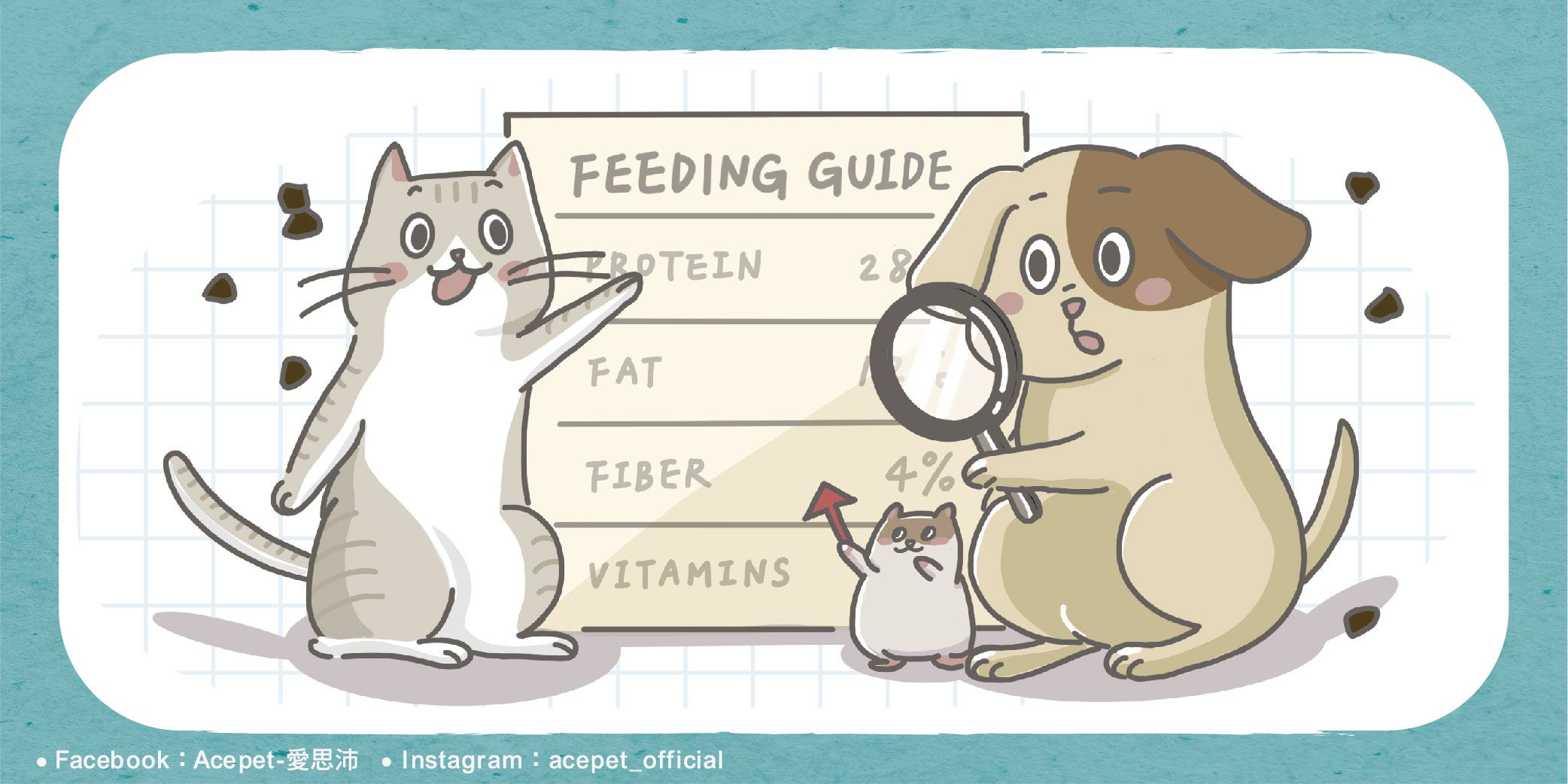
The modern pet food market is developing rapidly, offering far more choices than ever before. From the most common dry pet food, to highly palatable wet pet food, and further to premium raw-grade pet food products, brands, ingredients, and nutritional formulations have become increasingly diverse. However, choosing the right and suitable pet food is not only essential for proper nutrition intake, but also has a direct impact on body condition, immune health, disease prevention, and even lifespan. For pet supplies wholesalers, pet food brands, entrepreneurs, and pet product suppliers, gaining a thorough understanding of different types of pet food and how to select them correctly can help build a stronger product portfolio, enhance market competitiveness, and avoid many common pet food sourcing mistakes.
1. What Types of Pet Food Are Available?
As pet owners place greater emphasis on their pets’ health and quality of life, the variety of pet food options has continued to expand. Today’s pet food market is no longer limited to a single format; instead, products are developed based on different production methods, moisture content, and nutritional design. Common pet food types generally include wet food, dry food, and the increasingly discussed raw-grade pet food. Understanding these differences allows pet owners to choose the most suitable diet based on their pet’s age, size, health condition, and lifestyle.
Wet Food and Dry Food: The Most Common Pet Food Choices
Wet food and dry food remain the most widely used types of pet food on the market. Wet pet food typically contains a higher moisture content, with a soft texture and strong aroma, making it especially suitable for pets with lower appetites, senior pets, or those with dental issues. It can also help support daily hydration to some extent. In contrast, dry pet food has a lower moisture content, a longer shelf life, and is easier to store and transport, making it the preferred daily pet food choice for many pet owners. Dry pet food formulations are also well developed and can be tailored to different needs, such as growth stages, weight management, or specific health requirements, making it a practical and reliable pet food option.
Raw-Grade Pet Food: Emphasizing Whole Ingredients and Nutritional Integrity
In recent years, raw-grade pet food has gained increasing attention by emphasizing the use of high-quality whole ingredients and preservation methods such as low-temperature processing or freeze-drying to retain natural nutrients and flavors. This type of pet food typically focuses on minimal processing and fewer additives, allowing pets to consume nutrition that more closely resembles a natural diet. However, raw-grade pet food requires stricter storage conditions and careful feeding practices, meaning pet owners should pay close attention to ingredient sourcing, production safety, and nutritional balance. For those willing to invest more time in understanding ingredients and feeding methods, raw-grade pet food offers an alternative that prioritizes ingredient quality and nutritional completeness.
2. How to Choose High-Quality Pet Food?
Choosing pet food is not something you can decide simply by brand name or price. Instead, it should be approached from two major dimensions: “your pet’s needs” and “product quality.” The following selection guide covers three aspects: your pet’s conditions, the ingredient list and nutrition label, and the capabilities of the supplier and factory.
1. Choosing Pet Food Based on Pet Conditions (Age, Breed, Lifestyle, and Health Status)
Pets have different nutritional needs depending on their life stage, physical characteristics, breed, and lifestyle. These differences directly affect which pet food formulation should be selected to ensure proper nutrition and long-term health.
Choosing by Age
| Life Stage | Main Nutritional Needs | Key Selection Points |
|---|---|---|
| Growth Stage (0–12 months) |
Rapid growth; high needs for bone & brain development Immune development stage; weaker digestion |
High-protein, high-energy formula Adequate calcium/phosphorus and DHA Small kibble, easy to digest, high-quality animal protein for puppy/kitten diets Antioxidants, colostrum, and prebiotics to support immunity |
| Adult Stage (1–7 years) |
Maintain body condition; stable energy needs Avoid obesity and nutrient excess |
Moderate protein and fat levels Higher energy density for very active pets Balanced nutrition to maintain muscle and metabolism |
| Senior Stage (7+ years) |
Reduced kidney tolerance; decreased mobility Weaker digestion; lower immunity |
Lower phosphorus and lower protein, but using high-quality protein sources High-fiber, easy-to-digest formula Joint support nutrients (glucosamine, chondroitin, MSM) Antioxidants (vitamin E, Omega-3) |
Choosing by Breed
| Breed Type | Main Physiological Traits | Key Selection Points |
|---|---|---|
| Large Dogs | Higher joint burden More prone to gastric torsion (bloat) Fast skeletal growth during development |
Add joint-support ingredients (e.g., glucosamine, chondroitin) Choose larger, firmer kibble that is easier to chew Control calcium/phosphorus to avoid overly rapid skeletal growth |
| Small Dogs | Higher basal metabolic rate Smaller food intake but high energy demand Smaller oral cavity |
Higher energy density formulas for small breeds Smaller kibble for easier eating and chewing Avoid overly large or hard kibble that makes eating difficult |
| Long-Haired Cats | More fur and heavier shedding More prone to hairballs Need skin and coat support |
Increase Omega-3 and Omega-6 for coat shine and skin health Hairball-control formulas (appropriate fiber) for cats High-quality protein sources to support fur growth |
Choosing by Weight and Lifestyle
| Lifestyle | Main Traits | Key Selection Points |
|---|---|---|
| Overweight / Low Activity | Low calorie burn Easily gains weight Muscle mass may decline |
Low-fat, low-calorie formulas Increase fiber for satiety and portion control High-quality protein to maintain muscle mass |
| High Activity (Outdoor/Working Dogs) | High energy expenditure Need fast energy replenishment Higher recovery demand after exercise |
High-calorie, high-fat formulas to provide sufficient energy Include easily absorbed carbohydrates to improve endurance Suitable for active breeds and working dogs |
Choosing by Health Status (Very Important)
| Health Condition | Main Traits | Key Selection Points |
|---|---|---|
| Kidney Disease | Need low protein, low phosphorus, low sodium High-moisture diet (wet food often works better) |
Formulas that reduce kidney burden Use low-phosphorus, low-protein diets Increase wet food ratio to support metabolism |
| Liver Disease | High biological value protein (e.g., eggs, fish) Avoid excessive fat |
Easily absorbed, high biological value protein formulas Avoid high fat to reduce liver burden |
| Food Allergy / Skin Sensitivity | Single protein (e.g., salmon, duck, lamb) or hydrolyzed protein diets |
Avoid common allergens (beef, chicken, wheat) Choose single animal protein formulas Or hydrolyzed protein to reduce allergy risk |
2. Reading Ingredient Lists and Nutritional Information
When selecting pet food, learning how to read ingredient lists and nutritional labels is essential to ensuring proper nutrition. Ingredient information is not simply a list of raw materials; it helps pet owners determine whether a particular pet food truly provides nutrients that pets commonly lack. Nutritional requirements vary significantly among different species. For example, cats are obligate carnivores and require a relatively high level of protein, making it important to check both the protein content and its source when choosing cat pet food. For small animals such as guinea pigs, which cannot synthesize vitamin C on their own, it is crucial that pet food clearly indicates the addition of vitamin C to support overall health. By carefully reviewing ingredient lists and nutritional information, pet owners can avoid being influenced solely by packaging or marketing claims and instead select pet food based on genuine nutritional value.
3. Choosing a Qualified Pet Food Supplier
When purchasing pet food, selecting a qualified and trustworthy supplier is just as important as evaluating the product itself. Reliable pet food suppliers are typically able to clearly explain product origins, ingredient selection, and manufacturing processes, while complying with relevant regulations and quality standards to ensure the safety and consistency of every batch of pet food. Beyond nutritional formulations, a supplier’s commitment to quality control, regular testing, and transparent labeling directly affects consumer confidence. Choosing a pet food supplier with a strong reputation and long-term industry experience is not simply about buying a product—it is about establishing a safe, reliable, and sustainable dietary foundation for pets over the long term.
3. Common Mistakes When Choosing Pet Food
Not Adjusting Food Based on Age
One of the most common basic principles owners overlook is adjusting formulas based on a pet’s age. Metabolic needs differ significantly across life stages: puppies and kittens need high protein, high energy, and DHA for brain development; adult dogs and cats focus on maintaining body condition and should avoid excessive calories; and senior pets often need lower calories and additional nutritional support due to increased kidney and joint burden. If food is not chosen by age—for example, feeding adult food to a puppy—it may lead to insufficient growth or digestive strain. Feeding kitten food to a senior cat can increase kidney pressure. The best approach is to choose pet food according to AAFCO/NRC life stage standards and adjust every 6–12 months based on weight and metabolic changes.
Not Adjusting Diet After Illness (Not Coordinating With Disease Management)
After a pet becomes sick, many owners do not adjust the diet at all. Issues such as kidney disease, digestive sensitivity, obesity, and skin allergies require specific nutritional directions aligned with veterinary advice. Pets with kidney disease need low phosphorus, low protein, low sodium, and increased moisture intake. Digestive sensitivity benefits from easy-to-digest or hydrolyzed protein formulas with prebiotics. Overweight pets need low fat, low calories, and higher fiber for satiety. Pets with skin allergies often need single-protein formulas such as salmon, duck, or lamb, or hydrolyzed protein diets. Many owners assume “sticking with the same food is fine,” which can slow recovery. Diet adjustments after illness usually require at least 2–4 weeks of observation, which is a core part of dietary management.
Blindly Chasing Expensive Hype or “Pretty Ingredient Lists”
Some owners blindly pursue expensive pet foods or formulas marketed with “premium ingredients” such as cranberries, blueberries, salmon oil, or chia seeds, even though the actual inclusion levels may be too low to produce meaningful nutritional improvement. Some people believe the higher the price, the better, or the more “fancy” the ingredient list sounds, the more nutritious it must be. In reality, what truly matters is whether the nutrition analysis meets “Complete & Balanced” standards and how the pet actually responds—such as coat shine, stool quality, and healthy body condition. Nutrient absorption and formula completeness always matter more than a good-looking ingredient list.
Looking Only at the Brand, Not Ingredient Sources and Processing (Ignoring Supply-Chain Transparency)
Brand recognition matters, but what truly determines pet food quality is the supply chain behind it. Many international pet food brands are actually produced by OEM factories. Therefore, the real quality drivers are ingredient traceability, batch testing, process management, and whether the manufacturer meets standards such as HACCP/ISO/SGS/AAFCO, and whether it can provide COAs or batch records. Attractive packaging does not guarantee ingredient safety. When choosing pet food, prioritize brands with transparent supply chains, clear labeling, and traceability.
Not Choosing Based on a Pet’s “Constitution” and “Lifestyle”
Ignoring individual differences and selecting food only by brand or price. Activity level, coat type, skin sensitivity, neuter status, and tendencies toward soft stools all affect nutritional needs. For example, indoor cats can easily become overweight if fed high-calorie diets. Long-haired cats may develop dry coats and heavy shedding if Omega-3 and Omega-6 are insufficient. The ideal approach is to observe multiple indicators such as stool, energy level, and coat condition, then choose a formula that matches the pet’s lifestyle. For special conditions, consult a veterinarian.
Switching Food Too Fast—Causing Diarrhea or Soft Stools
Switching pet food too quickly often causes diarrhea or soft stools. A correct transition should start with 25% new food on days 1–3, then gradually increase to 50%, 75%, and fully switch after day 10. For sensitive pets, the transition may require 14+ days. “Replacing everything at once” is one of the most common causes of digestive issues.
4. Should You Make Pet Food In-House or Use Contract Manufacturing?
Analysis of the Advantages and Disadvantages of In-House Pet Food Production
Choosing to produce pet food in-house offers the greatest advantage of full control. Brands can participate in every stage, from ingredient selection and formula development to production processes, allowing for highly differentiated product positioning. This model is particularly suitable for pet food brands that emphasize brand philosophy, whole ingredients, or specialized nutritional designs. However, in-house production also requires significant upfront investment, including equipment setup, staff training, regulatory compliance, and the establishment of quality management systems. For businesses with limited capital or experience, the entry barrier can be relatively high. In addition, if production volume does not reach a sufficient scale, unit costs tend to remain high, placing pressure on overall profit margins.
Analysis of the Advantages and Disadvantages of Contract Manufacturing Pet Food
Using contract manufacturing to produce pet food allows brands to enter the market more quickly. By working with established manufacturers, brands can leverage existing facilities, technical expertise, and compliant production systems, reducing initial investment and trial-and-error costs. This approach enables companies to focus resources on brand building, marketing, and channel development. However, contract manufacturing also has limitations, particularly in terms of product differentiation. Formulas and production processes often need to align with the manufacturer’s existing capabilities, resulting in lower control over details. As a result, selecting a contract manufacturing partner with aligned values and consistent quality standards becomes a critical factor in a brand’s long-term success.
Differences in Cost Structure: Balancing Capital Investment and Operational Burden
From a cost structure perspective, in-house pet food production involves high fixed costs and relatively lower variable costs. Significant investments are required upfront for facilities, equipment, research and development, and personnel. Once production scale increases, unit costs may decrease accordingly. In contrast, contract-manufactured pet food offers greater cost flexibility, with lower fixed costs but clearly defined per-unit manufacturing and ingredient expenses. Long-term profit margins under this model depend heavily on negotiation power and shipment volume. These structural differences directly influence cash flow management and the pace of business growth.
Risks and Opportunities Coexist: Market Positioning Shapes the Development Path
Whether choosing in-house production or contract manufacturing, the pet food market presents both risks and opportunities. In-house production carries responsibilities related to food safety, inventory management, and regulatory compliance, but successfully establishing technical barriers and brand trust can lead to stronger long-term competitiveness and brand value. Contract manufacturing reduces operational risk but may expose brands to product homogenization and price competition. As pet owners increasingly demand higher nutritional standards, ingredient transparency, and product safety, clear market positioning becomes the key to unlocking growth opportunities.
Which Pet Food Model Best Fits Your Business Strategy?
Ultimately, there is no absolute right or wrong choice between in-house production and contract manufacturing. The optimal model depends on a brand’s available resources, development stage, and long-term goals. If your strategy prioritizes differentiation and you have stable capital and strong production management capabilities, in-house pet food production may help build core competitive advantages. If your goal is to test the market quickly, minimize early-stage risks, and focus on branding and sales, contract manufacturing offers a more practical and flexible path. By clearly evaluating your business strategy and market positioning, you can choose the pet food production model best suited to sustainable growth.
5. Conclusion: Why Choose Acepet?
Overall, whether choosing in-house production or contract manufacturing for pet food, the key lies in how well the approach aligns with a brand’s available resources, market positioning, and long-term development strategy. In an increasingly competitive pet food market, only brands that balance product quality, nutritional expertise, and supply stability can truly build consumer trust.
ACEPET has long been deeply engaged in the pet supplies and pet food industry, combining hands-on experience, rigorous quality management, and keen insight into market trends to deliver reliable and flexible solutions for brands and clients at different stages of development. Whether you are evaluating in-house pet food production, seeking a trustworthy contract manufacturing partner, or looking to learn more about our products and collaboration models, we welcome you to connect with ACEPET and work together to create safer, more suitable nutrition solutions for pets.
Acepet’s advantages include:
-
More than 80 years of brand heritage
-
Hundreds of patents and 600+ in-house products, including a diverse range of pet supplies and pet-food-related accessories.
-
In-house factory with complete equipment and stable quality.
-
One-stop OEM/ODM support—from design and mold development to packaging—also enabling cross-category cooperation with pet food brands in the future.
-
Extensive experience working with international brands (Europe/US, Japan, Southeast Asia).
If you would like to learn more about pet treats, pet supplies, and accessory products that can be bundled with pet food listings in the future, please visit Acepet to explore our full product range. Click here to view all Acepet products.

Article Classification
Recent Articles
- 2026 Wholesale Hamster Carrier Purchasing Guide: Unlocking Growth Opportunities in the Global B2B Pet Supplies Market
- How to Choose the Right Cat Litter Box Manufacturer: Key Strategies for Pet Product OEM/ODM Success
- The Ultimate Global Hamster Cage Wholesale Guide: How to Choose the Right Manufacturer for Your Business
- Don’t Wait for Picky Eating! The Essential Guide to Using Freeze-Dried Pet Food
- The Complete Pet Mat Guide | From Materials and Types to Buying Tips for Creating a Comfortable Life for Your Pet