
Blog
- Home
- Blog
- Pet Supplies Wholesale
- The Ultimate Global Hamster Cage Wholesale Guide: How to Choose the Right Manufacturer for Your Business
The Ultimate Global Hamster Cage Wholesale Guide: How to Choose the Right Manufacturer for Your Business
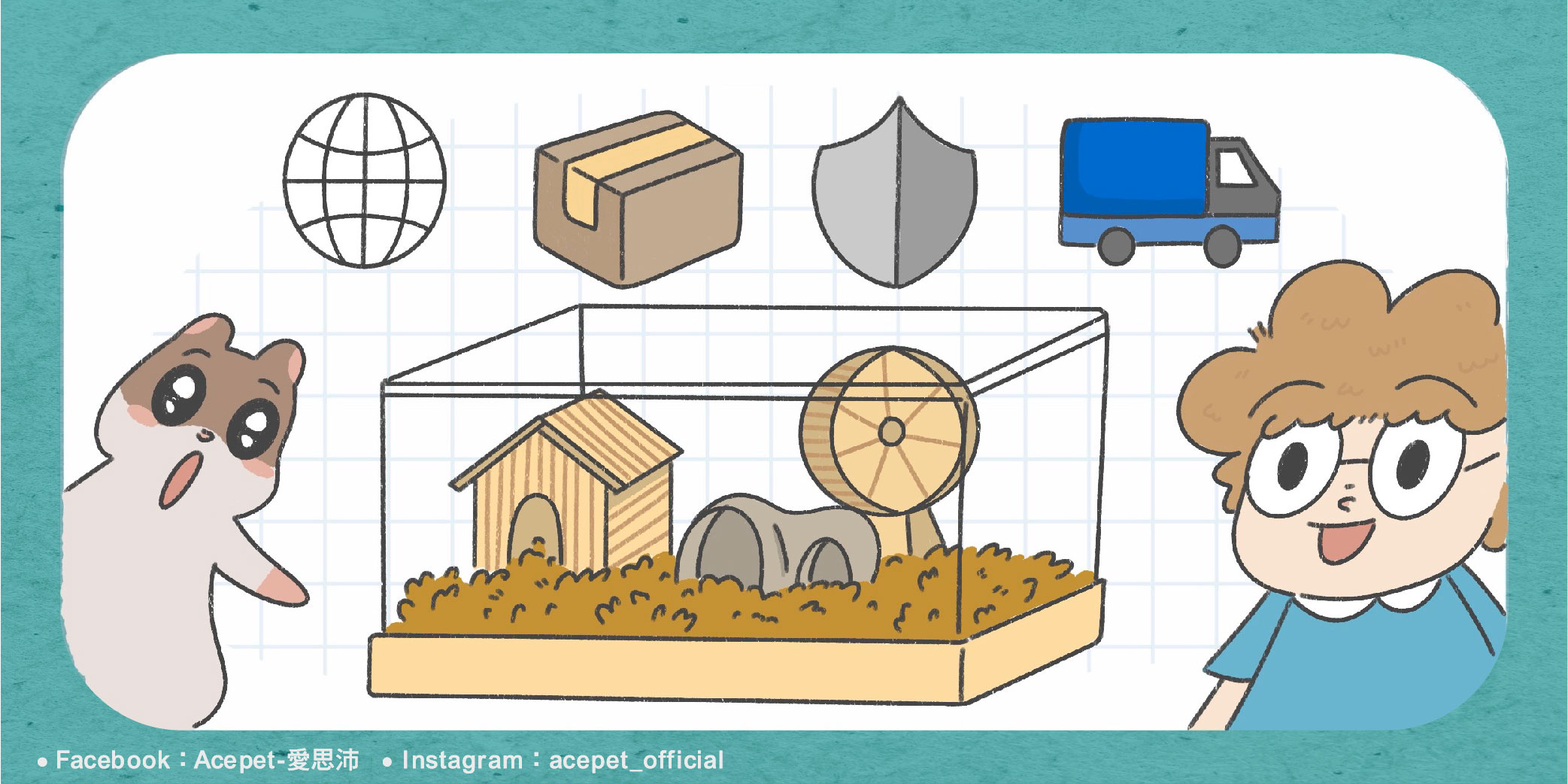
In the highly competitive pet supplies market, the "hamster cage" remains a core product with stable demand and high potential for innovation. As global pet ownership philosophies shift from "basic survival" to "animal welfare," choosing a hamster cage manufacturer with R&D capabilities, environmental certifications, and quality assurance has become the key for brands and wholesalers to stand out. This guide provides a deep analysis of global market trends, material evolution, and core B2B procurement indicators to help you precisely position your supply chain in the small pet market.
I. Global Pet Market Trends: Why Now is the Best Time to Enter the Hamster Supplies Industry?
In recent years, the global pet market has undergone a profound structural transformation. Rapid urbanization, shrinking living spaces, and a faster pace of life have raised the barriers to keeping larger pets like cats and dogs. This has triggered an explosion in the "small pet economy," which demonstrates high profit potential. Specifically, in the sector of hamster cages and their peripheral accessories, consumer demand for high-quality products is growing at an unprecedented rate.
Analysis of the Small Pet Economy and Consumer Psychology
Hamsters have become the top choice for the new generation of urban pet owners due to their small size, minimal space requirements, relatively low daily maintenance costs, and high emotional value. The consumer psychology of modern hamster owners has shifted from "casual keeping" to "premium pet humanization." The new generation—primarily Gen Z and Millennials—views hamsters as family members. They are willing to pay a premium for high-quality, aesthetically pleasing products and place extreme importance on the "mental health" and "natural instincts" of their pets.
This shift directly drives the development of hamster cages toward high-end branding and home aesthetic integration. For cross-border e-commerce and pet brands, this means the market has officially moved away from low-price competition into a golden era of high unit prices and high profit margins. Investing in hamster cage wholesale that features unique designs or meets animal welfare standards will effectively build a brand moat.
II. From Basic Wire Cages to Luxury Habitats: The Evolution of Hamster Habitat Design
The traditional image of a hamster cage used to be a small wire box equipped with a water bottle, a food bowl, and a wheel. However, as animal welfare awareness spreads, modern owners are reconsidering whether such small spaces are sufficient. The rise of "hamster-scaping" and "naturalistic husbandry" videos on platforms like TikTok, Instagram, and Pinterest has rapidly upgraded the global culture of hamster keeping.
1.0 Era: Traditional Wire Cages for Basic Survival
Early hamster cages were mostly small wire structures designed for "containment." These cages offered cramped quarters, often failing to meet the physiological needs of the animals. It is now widely understood that hamsters, especially Syrian hamsters, are highly active animals that require space to run, explore, and burrow. Long-term confinement in small spaces leads to stress behaviors like bar-biting and repetitive pacing. This category is now largely relegated to the low-end budget market.
2.0 Era: The Popularity of Modular Plastic Tube Cages
The market then entered the "entertainment cage" era. Transparent plastic tubes, multi-level mazes, and colorful accessories became mainstream, resembling miniature amusement parks. While visually appealing, these cages presented issues: the tubes were often too narrow for larger hamsters, and the complex structures were difficult to clean, leading to bacteria buildup and odors. Modern advanced keepers now move away from these designs in favor of more functional habitats.
3.0 Era: The Rise of Luxury Ecological Scaping Habitats
Current hamster cage designs emphasize both ecology and aesthetics. Modern luxury habitats focus on large continuous floor space, deep bedding, panoramic views, and naturalistic configurations. Products using transparent acrylic or glass not only facilitate observation but also prevent bedding from scattering. "Deep Bedding" has become the core of modern hamster care, as it satisfies the instinctive need to burrow. This is currently the highest-margin category in the wholesale market.
Hamster Cages as Home Decor
Owners are increasingly viewing hamster habitats as part of their interior design. Nordic styles, cream palettes, minimalist wood, and MUJI-inspired designs are highly popular. A high-aesthetic hamster habitat is no longer just a pet product; it is an exquisite miniature ecosystem. This transformation represents the redefined role of hamsters: they are no longer "cheap" pets but respected family members.
III. Major Types and Material Comparison for Hamster Cage Wholesale
When planning bulk procurement, material choice affects not only the product's appearance and user experience but also logistics costs, market positioning, and consumer acceptance. Acrylic cages, wooden habitats, and wire cages remain the three most competitive types in the global market.
| Material Type | Advantages | Disadvantages | Target Market & Positioning |
|---|---|---|---|
| Acrylic Hamster Cages | 360-degree panoramic view, modern look, great for social media; prevents bedding mess and is easy to clean. | Lower ventilation than wire cages; prone to surface scratches if material quality is low. | Ideal for Asian markets, emerging brands, and social media-driven e-commerce. |
| Wooden Habitats | Natural, high-end texture; supports deep bedding; aligns with animal welfare and naturalistic husbandry. | Heavy and bulky, leading to higher shipping costs; requires waterproof treatment to prevent odors. | Niche/Premium markets in Europe and North America; eco-conscious consumers. |
| Wire Combination Cages | Excellent ventilation; lightweight; cost-effective; highly customizable with accessories. | Noisy bar-biting; bedding escapes easily; lower aesthetic appeal compared to acrylic. | Mass-market retailers, entry-level consumers, and cost-sensitive wholesalers. |
Acrylic Hamster Cages: The Top Choice for Visibility and Social Media
Acrylic cages are the primary drivers of the "Instagrammable habitat" trend. With a light transmission rate of over 92%, owners can observe their pets without blind spots. High-quality manufacturers use precision laser cutting to ensure uniform ventilation holes and smooth edges. For brands targeting the youth market and e-commerce channels, acrylic cages are star products for increasing average order value (AOV).
Wooden Habitats: The Trend for Naturalism and Eco-friendliness
In regions with high animal welfare standards, like Germany and North America, wooden habitats are seeing explosive growth. These consumers prefer "terrarium-style" habitats over "prison-like" wire cages. Wooden cages often feature extra-deep bases to accommodate 20cm+ of bedding. Premium versions use FSC-certified birch or pine to ensure the product is non-toxic and safe for chewing.
Wire Cages: Ventilation and Logistics Efficiency
As a market staple, wire cages maintain a significant share due to their ventilation and affordability. For B2B buyers, the core advantage is logistics efficiency. Wire panels and plastic bases can be "nested" for high-density stacking, maximizing container space and reducing sea freight costs per unit.
IV. Four Core Metrics for Evaluating Hamster Cage Manufacturers
Selecting a manufacturer is no longer just about the lowest price. Mature pet supply procurement focuses on supply chain stability, safety, and customization capabilities.
Safety and Compliance: The Key to Brand Longevity
Hamsters have a strong instinct to chew. If paint or materials contain heavy metals, it poses a severe health risk. Professional factories provide TUV, SGS, or Intertek reports to ensure products comply with regulations like EU REACH or US Prop 65. Products lacking these certifications face significant risks during customs inspections or e-platform audits.
OEM and ODM Customization: Building Brand Differentiation
To avoid price wars, brands must differentiate. Look for manufacturers with strong OEM/ODM capabilities, including mold development and precision processing. Innovative features like "screw-less quick assembly" or "silent wheel systems" are results of strong R&D. Patented designs provide a competitive edge on platforms like Amazon.
Production Capacity and Lead Time: Supply Chain Stability
"Out of stock" is more detrimental than a slightly higher price. Evaluate a factory's automation—those with CNC machines and automated laser cutters offer higher consistency and lower human error. Reliable suppliers use ERP systems to manage IQC, IPQC, and FQC processes, ensuring quality across large batches.
MOQ and Tiered Pricing: Balancing Cost and Risk
For new brands, high MOQs are a burden. Mature manufacturers now offer flexible MOQ strategies, allowing customized orders starting at a few hundred units. This "small step, fast run" model allows brands to test the market while enjoying tiered pricing as volumes increase.
V. International Logistics and Import/Export Considerations
Hamster cages are typically "bulky but light" products. In cross-border logistics, dimensional weight (DIM weight) often determines the cost.
KD (Knock-Down) Flat Packaging Design
High-end cages now utilize KD packaging. By using detachable panels and snap-fit structures, large cages can be shipped in flat boxes. This design can reduce packaging volume by over 60%, significantly lowering shipping and warehousing costs for e-commerce sellers.
E-commerce Grade Drop-Proof Packaging
Since cages contain acrylic or wood, they are prone to damage during transit. Factories should use e-commerce grade packaging with high-density EVA foam and double-walled corrugated boxes. Many premium brands require ISTA 3A drop test compliance to ensure the product survives last-mile delivery, thereby reducing return rates.
Quarantine Issues for Wooden Cages
If using solid wood, products exported to the US, Europe, or Australia usually require fumigation and a phytosanitary certificate. To simplify the process, many manufacturers now use plywood or MDF, which are generally exempt from these requirements in most countries, reducing supply chain friction.


Acepet
Acepet traces its origins back to 1945 and is a brand with nearly 80 years of professional manufacturing experience. Driven by a deep passion for animals, Acepet integrates innovation, craftsmanship, and quality to deliver premium pet products. The company operates advanced, self-owned manufacturing facilities, supported by an in-house design and R&D team as well as an efficient marketing team, continuously developing solutions that enhance the quality of pets’ lives. Acepet remains committed to exceeding industry standards, meeting the evolving needs of pet owners, and ensuring that every product perfectly balances functionality, safety, and modern design.
Article Classification
Recent Articles
- 2026 Wholesale Hamster Carrier Purchasing Guide: Unlocking Growth Opportunities in the Global B2B Pet Supplies Market
- How to Choose the Right Cat Litter Box Manufacturer: Key Strategies for Pet Product OEM/ODM Success
- The Ultimate Global Hamster Cage Wholesale Guide: How to Choose the Right Manufacturer for Your Business
- Don’t Wait for Picky Eating! The Essential Guide to Using Freeze-Dried Pet Food
- The Complete Pet Mat Guide | From Materials and Types to Buying Tips for Creating a Comfortable Life for Your Pet