
Blog
- Home
- Blog
- Pet Supplies Wholesale
- How to Choose the Right Cat Litter Box Manufacturer: Key Strategies for Pet Product OEM/ODM Success
How to Choose the Right Cat Litter Box Manufacturer: Key Strategies for Pet Product OEM/ODM Success
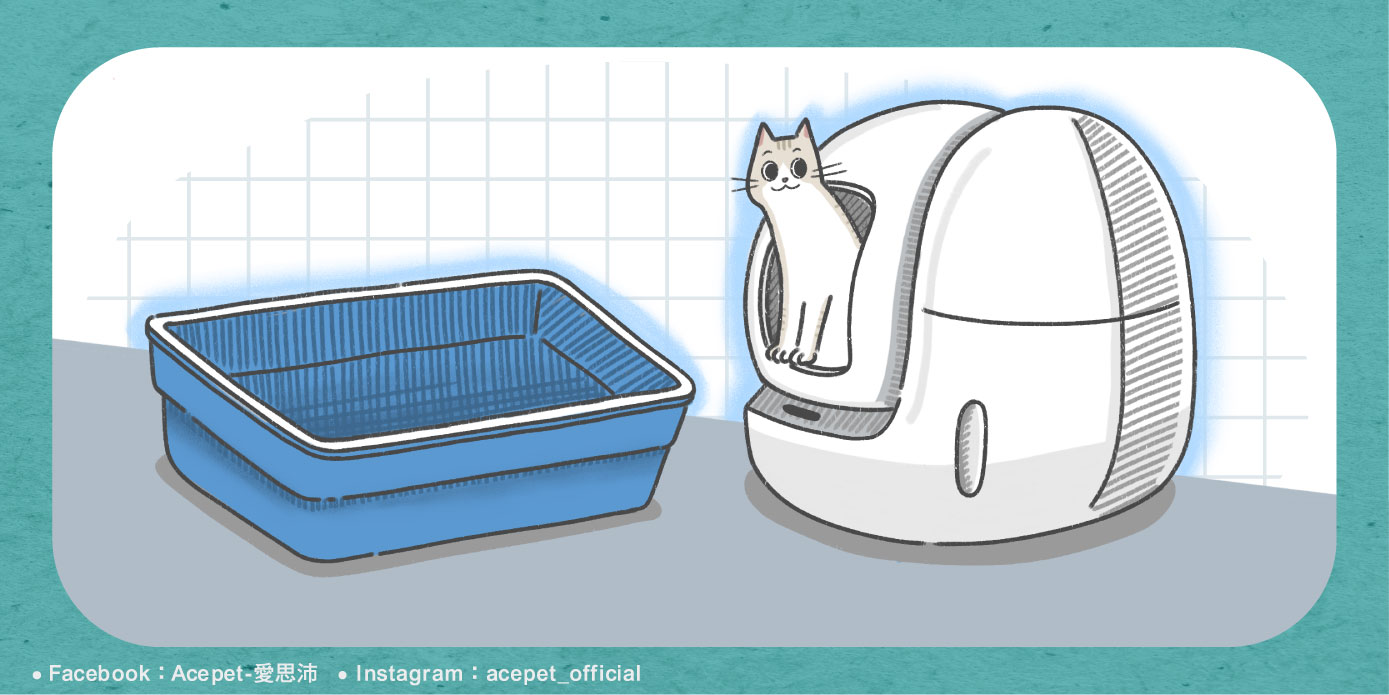
Cat Litter Box Manufacturer Recommendations & Selection Strategies: Mastering the Core Competitiveness of Pet Supply OEM/ODM
In today’s booming pet economy, the cat litter box has evolved from a basic utility into a sophisticated product that balances pet comfort, owner convenience, and home aesthetics. While it may seem like a simple structure, a high-quality cat litter box is actually a convergence of animal behavior studies, industrial design, mold engineering, and material science.
A superior cat litter box must account for feline body types, digging habits, turning radius, entry/exit height, internal volume, and ease of cleaning. Furthermore, it must address functional challenges such as litter tracking, urine leakage, odor control, and the safety and durability of plastic materials. For pet brands, partnering with a manufacturer that only offers basic assembly is a risk; such factories can only produce according to existing blueprints and lack the expertise to optimize products. Conversely, a cat litter box manufacturer with integrated R&D, 3D modeling, mold design, large-scale plastic injection molding, and automated mass production capabilities can participate from the concept stage—improving structural integrity, controlling costs, and significantly shortening Time-to-Market (TTM).
This article explores how to evaluate professional cat litter box manufacturers and analyzes emerging trends in high-end, smart, and globalized procurement markets.
I. The Impact of "Pet Humanization" on Cat Litter Box Design
The "Pet Humanization" trend has become a dominant force in the global pet supply market. As owners increasingly treat cats as family members, the cat litter box is no longer just a plastic container for waste; it is an essential piece of equipment that affects the cat's quality of life and the home environment. For cats, an ideal litter box provides ample space to turn around, an appropriate entry height, good ventilation, and a sense of security.
Design requirements vary by demographic: kittens, senior cats, and those with mobility issues require low-entry boxes. Large breeds, such as Maine Coons or Ragdolls, necessitate much more spacious internal dimensions. For owners, "ease of cleaning" is the primary purchasing driver. Features like removable lids, smooth internal surfaces without dead zones, sufficient scooping space, and tracking-prevention pedals significantly enhance the user experience. Modern designs also prioritize leak-proofing and odor suppression. High side walls, precision-engineered seams between the top and bottom covers, and strategic entry points help minimize urine leakage and litter scatter. Closed cat litter boxes, in particular, must find a balance between privacy, ventilation, and cleaning accessibility to prevent heat and odor buildup.
II. From "Functional Utility" to "Pet Furniture": The High-End Market Gap
As living spaces shrink and aesthetic standards rise, the "furniture-like" trend for cat litter boxes is accelerating. Products are no longer hidden in corners; they are designed to blend seamlessly into modern interior decor. Minimalist industrial lines, muted Morandi color palettes, hidden entrances, and streamlined unibody designs elevate the product's visual appeal.
Currently, there is a significant design gap in the high-end market for multifunctional products. Examples include composite cat litter boxes that double as storage cabinets, designs with top-side resting platforms, or multifunctional units that serve as living room side tables. For a cat litter box manufacturer, the ability to handle complex structural designs while maintaining a refined, premium texture on plastic components is the key barrier to entry into this lucrative high-end segment.
III. Cat Litter Box Manufacturer Recommendations: 5 Core Dimensions for Evaluation
When sourcing a manufacturer, price should never be the sole criterion. The success of a product launch and the stability of quality depend on the factory's R&D strength, material management, capacity allocation, international compliance experience, and OEM/ODM flexibility. For pet brands, importers, and large retailers, the ideal partner is more than just a production unit; they are a strategic collaborator capable of co-developing innovative products and solving technical bottlenecks.
1. R&D and Design: 3D Modeling and In-House Mold Development
A professional supplier should possess robust 3D modeling capabilities to simulate dimensions, part fitment, and structural strength before mold opening. For instance, they must ensure the top cover and base of a closed cat litter box snap together securely and that the entrance is ergonomically suited for various breeds. Manufacturers with in-house mold shops can more quickly address issues like shrinkage, flow marks, or structural modifications during the trial stage, drastically reducing development cycles.
2. Material Safety and Eco-Standards: PP, ABS, and Sustainability
PP (Polypropylene): Lightweight, chemically resistant, and tough; it is the preferred material for bases and scoops as it withstands frequent washing and harsh cleaning agents.
ABS (Acrylonitrile Butadiene Styrene): Known for high rigidity and surface gloss, it is ideal for high-end covers or precision-engineered door panels.
Sustainability: With rising environmental awareness, leading manufacturers now offer recycled plastics or bio-based materials. However, ensuring that these materials are non-toxic and comply with safety standards such as REACH, RoHS, or FDA-related pet safety guidelines is non-negotiable for any reputable brand.
3. Capacity and Automation: Ensuring Supply Chain Stability
When evaluating capacity, focus on the tonnage of injection molding machines and the level of automation. Large cat litter boxes require high-tonnage machines for proper molding. Factories equipped with automated robotic arms for part extraction and online quality inspections not only reduce human error but also ensure stable output during peak e-commerce seasons (e.g., Double 11 or Black Friday), preventing out-of-stock crises.
4. International Certification and Compliance
ISO 9001 is the baseline for factory management. For brands engaging in cross-border trade, social responsibility certifications like BSCI or Sedex are essential for entering major international retail channels. For smart cat litter boxes, manufacturers must have experience with electronic certifications such as CE, FCC, and RoHS to ensure components operate safely in environments prone to dust and moisture.
5. OEM/ODM Flexibility: Tailored Strategies for Different Brand Scales
Startup brands may benefit from "Open Mold Customization," where they customize colors, logos, and packaging for existing designs to build brand identity. Mature brands, however, require full-service ODM solutions. A high-quality manufacturer should offer tiered pricing based on Minimum Order Quantities (MOQ) and provide cost-optimization advice regarding raw materials and packaging to achieve a win-win outcome.
IV. Smart Cat Litter Boxes: The Next Profit Growth Engine
With the rise of smart homes, the smart cat litter box has become a focal point of the premium pet market. Unlike traditional boxes, these units integrate automatic cleaning, weight sensors, odor control, usage tracking, and mobile app connectivity. These products not only reduce the daily burden on owners but also provide valuable health data by monitoring a cat’s usage frequency and weight changes.
The Core Technology of Automatic Cleaning
The technical hurdles lie in the patented design of the filtration sieve, the precision of the rotating structure, and the configuration of motor torque. Poor design can lead to litter waste or mechanical jams. Furthermore, the integration of deodorization technologies (such as ozone generators, ionic deodorizers, or plant-based filters) tests the manufacturer’s electromechanical integration capabilities.
Stability and Global After-Sales Support
Smart litter boxes operate in environments filled with dust, moisture, and small particles; therefore, sensors, motors, and control boards require superior dust-proofing and structural protection. Before mass production, these units must undergo rigorous testing for continuous operation, motor lifespan, abnormal load handling, and sensor accuracy. To minimize international repair costs, a modular design is preferred, allowing for the individual replacement of motors or sensors. Manufacturers should also provide troubleshooting protocols, repair manuals, and spare parts to help overseas distributors handle after-sales issues locally.
V. Global Supply Chain Management: Reducing Risks and Costs
Because cat litter boxes are bulky, logistics costs often represent a significant portion of the Landed Cost. Manufacturers can optimize this through "nestable" designs that maximize container space during shipping or "knock-down" (KD) structures that reduce last-mile delivery fees.
Effective cross-border management requires brands and manufacturers to share sales forecasts and promotion schedules. By pre-arranging raw materials and production capacity, brands can avoid the risks of peak-season surcharges and emergency airfreight. For long-term products, establishing safety stocks or utilizing overseas warehouses can provide greater supply chain resilience.
Factory Audits and Logistics Integration
Before signing a contract, brands should conduct on-site or third-party factory audits to verify raw material management, equipment maintenance, and quality control processes. Audits should ensure clear standards for appearance, color consistency, burr removal, and assembly fit. On the logistics side, the manufacturer must provide accurate carton dimensions, weights, and palletization plans. Since smart cat litter boxes contain electronic components, early confirmation of HS Codes and import regulations in the destination country is vital to avoid customs delays.
VI. Conclusion: Building a Strategic Partnership, Not Just a Transaction
In the fiercely competitive pet supply market, a successful cat litter box product is almost always backed by a manufacturer with deep expertise in R&D, mold engineering, and international exports. From the structural design of traditional pans to the aesthetic development of furniture-style units and the electromechanical complexity of smart boxes, the manufacturer’s capability directly dictates product quality, cost, and speed-to-market.
Brands should look beyond the lowest quote and instead seek a partner who can co-innovate, mitigate development risks, and support global expansion. When both parties share market insights and quality feedback, a simple buying-selling relationship evolves into a stable, long-term strategic partnership that drives sustainable growth.


Acepet
Acepet traces its origins back to 1945 and is a brand with nearly 80 years of professional manufacturing experience. Driven by a deep passion for animals, Acepet integrates innovation, craftsmanship, and quality to deliver premium pet products. The company operates advanced, self-owned manufacturing facilities, supported by an in-house design and R&D team as well as an efficient marketing team, continuously developing solutions that enhance the quality of pets’ lives. Acepet remains committed to exceeding industry standards, meeting the evolving needs of pet owners, and ensuring that every product perfectly balances functionality, safety, and modern design.
Article Classification
Recent Articles
- 2026 Wholesale Hamster Carrier Purchasing Guide: Unlocking Growth Opportunities in the Global B2B Pet Supplies Market
- How to Choose the Right Cat Litter Box Manufacturer: Key Strategies for Pet Product OEM/ODM Success
- The Ultimate Global Hamster Cage Wholesale Guide: How to Choose the Right Manufacturer for Your Business
- Don’t Wait for Picky Eating! The Essential Guide to Using Freeze-Dried Pet Food
- The Complete Pet Mat Guide | From Materials and Types to Buying Tips for Creating a Comfortable Life for Your Pet