
Blog
- Home
- Blog
- Pet Supplies Wholesale
- Pet Cage Types Comparison and Size Selection Tips: A Complete Guide to Choosing the Right One
Pet Cage Types Comparison and Size Selection Tips: A Complete Guide to Choosing the Right One
With the continuous advancement of modern pet care concepts, pet safety and quality of life have become top priorities for pet owners. A pet cage is no longer just a tool for restriction, but an essential solution that helps prevent pets from getting lost, injured, or exposed to unexpected risks in specific situations.
Whether for travel, medical needs, home management, or training during growth stages, choosing the right pet cage and understanding the differences in materials, sizes, and design features are key to creating a safe living environment for pets. This article will explore real-life usage scenarios and provide a comprehensive guide to pet cage types, size selection, and key purchasing considerations, helping you make the most suitable choice among a wide range of products.
1. Don’t Wait Until Your Pet Gets Hurt: When a Pet Cage Becomes Essential
In many people’s perception, pet cages are often misunderstood as tools that restrict freedom. However, in reality, a pet cage is more like a “safe space” that can effectively reduce risks in specific situations, helping prevent pets from getting injured, lost, or involved in accidents. As modern pet care concepts continue to evolve, more and more pet owners are beginning to understand that proper use of a pet cage does not compromise a pet’s quality of life. Instead, it provides protection and a sense of stability at critical moments. For families who value pet safety and daily management, a pet cage has become an essential pet supply.
Safety Protection for Travel and Long-Distance Transport
When traveling or transporting pets over long distances, a pet cage provides a stable and controlled space, preventing pets from moving around inside the vehicle or getting injured due to stress. Whether it’s a short trip or a long journey, placing your pet in a well-structured and secure pet cage not only improves transportation safety, but also helps reduce anxiety by giving them a familiar and enclosed environment, minimizing stress caused by changes in surroundings.
Managing Risks During Visitors or Home Renovations
When there are visitors at home or during renovation work, the level of environmental uncertainty increases significantly. The presence of unfamiliar people, frequent opening and closing of doors and windows, and noise from tools can easily startle pets, causing them to run away or accidentally harm others. In such situations, temporarily placing your pet in a cage not only ensures their safety, but also provides peace of mind for visitors and workers, helping to prevent unnecessary accidents.
Safety Management and Separation in Multi-Pet Households
For households with multiple pets, a pet cage also plays a key role in safety management. Differences in temperament or competitive behavior between pets may lead to conflicts. Using a pet cage to provide appropriate separation during feeding times, rest periods, or specific situations can help reduce the risk of conflict, allowing each pet to have a stable and secure space of their own.
2. What Types of Pet Cages Are Available on the Market? A Quick Comparison of Pros and Cons
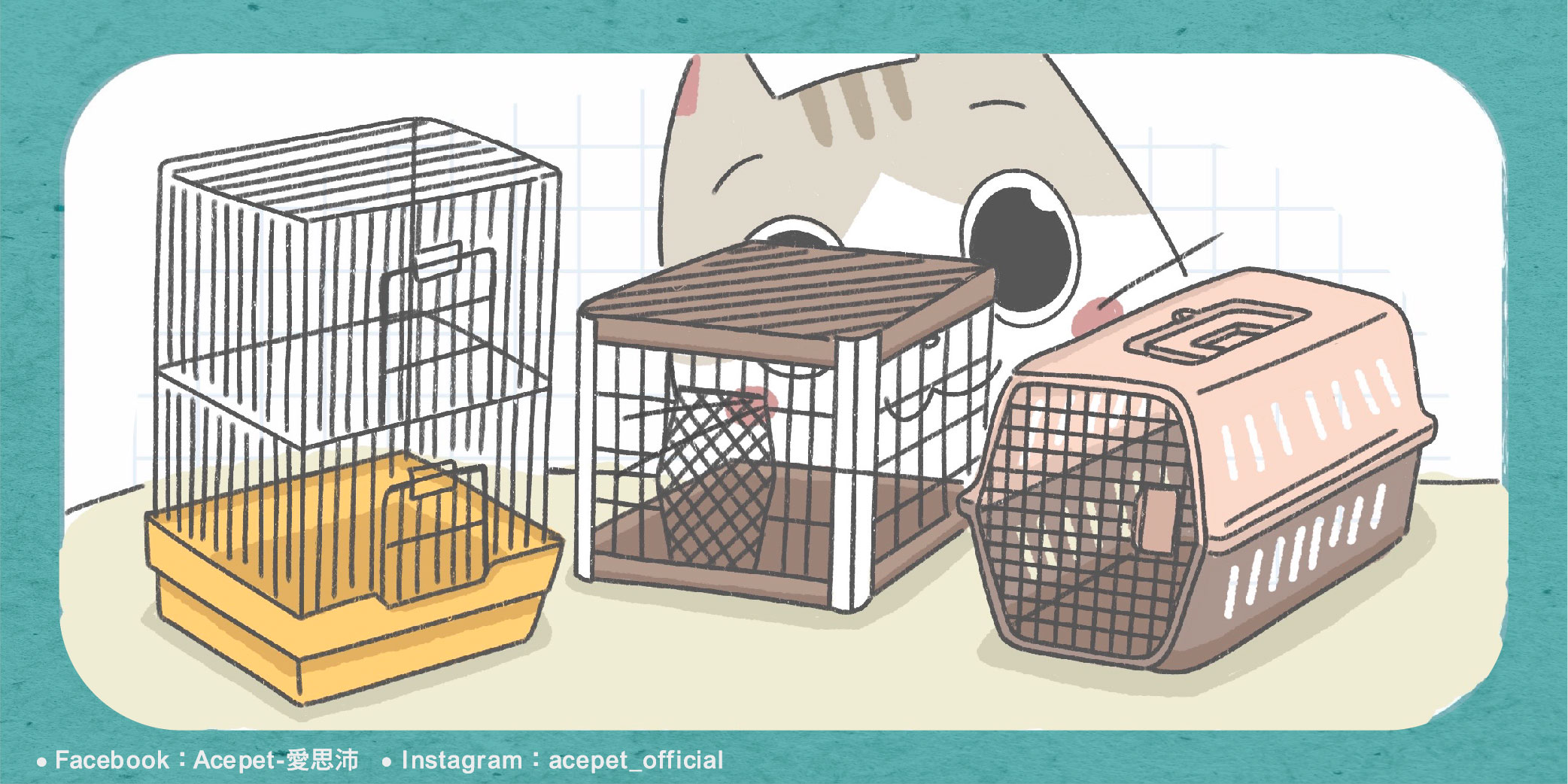
When choosing a pet cage, different materials and designs can directly affect the user experience and suitability for various situations. Common types of pet cages on the market can generally be categorized into three main types: metal cages, plastic cages, and fabric or foldable pet cages. Each type varies in durability, weight, ventilation, and ease of cleaning, allowing pet owners to select the most suitable option based on their needs and lifestyle.
<Related Reading: What Is a Pet Carrier? How Is It Different from a Travel Crate? Acepet Explains How to Choose! >
Metal Pet Cages: High Durability and Excellent Ventilation
Metal pet cages are typically made from iron or steel structures, offering strong durability and overall sturdiness. They are especially suitable for medium to large dogs or pets with high activity levels. The open grid design provides excellent ventilation and visibility, helping reduce a pet’s sense of confinement while allowing owners to easily monitor their condition at any time. In terms of maintenance, most metal cages come with a removable tray, making waste management and cleaning relatively easy. However, metal cages tend to be heavier, making them less convenient to move and store. In addition, if the anti-rust treatment is insufficient, some products may develop rust over time. For pets that are more sensitive or prone to anxiety, the overly open design may sometimes lack a sense of security.
Plastic Pet Cages: Stable and Ideal for Travel
Plastic pet cages are typically designed with a semi-enclosed structure, offering strong stability and effective protection. They are commonly used for travel and transportation, especially when using vehicles or public transport. Compared to metal cages, plastic cages are lighter and easier to carry, while also providing greater privacy and a stronger sense of security, making them ideal for pets that are easily stressed or anxious. In terms of maintenance, plastic materials are generally easy to wipe clean and do not easily absorb stains. However, their ventilation is relatively limited, so it is important to choose models with well-designed ventilation holes. Over time, plastic cages may also show signs of wear such as scratches or material aging, which can affect their appearance and durability.
Fabric / Foldable Pet Cages: Lightweight and Easy to Store
Fabric or foldable pet cages are known for their lightweight design and convenience, making them suitable for short-term use or travel. These cages can usually be set up and folded down quickly, making them highly practical for pet owners with limited space or those who frequently move around. However, fabric materials are generally less durable and may not be suitable for pets with strong chewing habits or high energy levels. Cleaning can also be less convenient—if the cage becomes stained or retains odors, it may require disassembly for washing or even full replacement. Additionally, the support structure is usually softer, offering less protection compared to metal or plastic cages.
3. How to Choose the Right Pet Cage Size: The Ideal Proportions for Your Pet
Choosing the right pet cage size is essential for ensuring your pet’s safety and comfort. A cage that is too small can make pets feel confined, restrict their movement, and even affect their physical development. On the other hand, a cage that is too large may reduce their sense of security and become less stable during transportation or travel. Therefore, when selecting a pet cage, it is important to understand proper measurement methods and size proportions to achieve the best balance.
How to Properly Measure Your Pet’s Size
Before purchasing a pet cage, it is recommended to measure your pet’s “body length” and “shoulder height.” Body length refers to the distance from the tip of the nose to the base of the tail, while shoulder height is measured from the ground to the highest point of the shoulders. During measurement, your pet should stand naturally in a relaxed position, avoiding curling up or stretching unnaturally to ensure accurate results. In general, the length of a pet cage should be about 10–20 cm longer than the pet’s body length to allow enough space for turning around freely. The height should be at least 10 cm higher than the shoulder height to ensure your pet can stand comfortably without feeling restricted. This proportion provides a good balance between comfort and safety.
The Impact of a Cage That Is Too Small
If a pet cage is too small, your pet’s movement inside will be significantly restricted, making it difficult to stand, turn around, or stretch properly. Staying in a confined space for long periods can cause physical discomfort as well as psychological stress and anxiety. For growing puppies or kittens, a cage that is too small may even affect proper bone and joint development, potentially leading to long-term health issues.
Potential Issues with an Oversized Cage
On the other hand, many pet owners mistakenly believe that “bigger is always better,” but an oversized cage is not necessarily ideal. An excessively large space may reduce a pet’s sense of security and enclosure. For pets that are naturally sensitive or easily stressed, a space that is too open can actually make them feel uneasy rather than comfortable.
Allow Enough Space for Turning and Stretching
An ideal pet cage should allow your pet to stand naturally, turn around easily, and lie down comfortably while stretching their body. These movements indicate that the cage size is “just right”—not too cramped and not overly spacious. When pets are able to move freely and maintain a relaxed posture inside the cage, they are more likely to perceive it as a safe resting space rather than a place of confinement. This type of space design not only improves overall comfort but also helps reduce stress and anxiety, allowing pets to feel more secure while inside.
Choose Based on Growth Stage and Usage Purpose
When selecting the appropriate cage size, it is also important to consider your pet’s growth stage and intended use. For puppies or kittens that are still growing, you may choose a slightly larger cage and use a divider to adjust the available space as they grow. If the cage is primarily used for travel or transportation, a size that fits the pet’s body more closely is recommended to ensure stability and safety. For home use as a resting space, a more spacious and comfortable option can be selected to provide a relaxed environment.
Conclusion: The Right Size Ensures Both Safety and Comfort
Choosing the right pet cage size is not only about comfort—it is also a key factor in ensuring your pet’s safety and overall well-being. By using proper measurement methods, applying appropriate size proportions, and considering different usage scenarios and growth needs, pet owners can find the most suitable cage for their pets. When the cage size is well-matched, pets can move freely, feel secure, and develop healthy habits over time. Creating a safe, comfortable, and stable personal space for your pet starts with choosing the right size.
4. 5 Key Details You Should Never Overlook When Choosing a Pet Cage
When selecting a pet cage, size is not the only factor to consider—many design details can have a direct impact on safety and long-term usability. A well-designed pet cage not only provides a comfortable space for your pet, but also helps reduce the risk of accidents and improves overall convenience in daily use. The following key factors are essential considerations that should never be overlooked when making your purchase.
Is the Ventilation Design Adequate?
Proper airflow is essential for reducing heat buildup and preventing moisture and odors from accumulating inside the cage, which is especially important in hot and humid climates like Taiwan. Poor ventilation over time can cause discomfort for pets and may even affect their respiratory health. The size of the ventilation openings should be well-balanced—not only to ensure effective airflow, but also to prevent pets from sticking their heads or limbs out, which could lead to getting stuck or injured. Some high-quality pet cages feature multi-side ventilation or mesh designs to further enhance breathability and overall comfort.
Are the Safety Locks Secure?
The locking mechanism of a pet cage is directly related to safety. High-quality locks should have a strong and reliable structure that cannot be easily opened by pets, especially for those that are active or physically strong. It is recommended to choose cages with double-lock systems or anti-accidental opening designs, such as locks that require a two-step operation to open. These features can effectively reduce the risk of pets escaping. Additionally, the lock material should be durable and resistant to tension, ensuring it remains secure even during movement or transportation.
Is the Structural Stability Sufficient?
When selecting a pet cage, pay close attention to the frame design, the tightness of joints, and the overall sturdiness of the structure. Different materials—such as metal, plastic, or foldable designs—each have their own advantages and disadvantages. However, regardless of the type, the cage should meet basic standards of load-bearing capacity and stability. This is especially important for travel or long-distance transport, where structural stability plays a critical role in ensuring both safety and comfort.
Is the Base Anti-Slip and Durable?
The base design is another detail that many pet owners tend to overlook, yet it is extremely important. A non-slip base helps prevent pets from sliding inside the cage when moving or standing, reducing the risk of falls and injuries while also improving overall comfort and a sense of security.
Looking for a Reliable and Safe Pet Cage Supplier? Contact Acepet Today!
In the highly competitive pet supplies market, choosing a stable and reliable pet cage supplier is key to improving product quality and enhancing brand competitiveness. Acepet operates its own factory with a fully integrated manufacturing system, covering everything from product design and mold development to mass production. Every stage is managed by a professional team to ensure consistent quality in structural safety, durability, and product details. In terms of collaboration, Acepet offers OEM and ODM customization services, allowing products to be developed and differentiated based on brand requirements. This helps clients quickly create competitive pet products for the market. Choosing Acepet is not just selecting a supplier—it means partnering with a reliable manufacturer for long-term growth and success. Feel free to contact Acepet today and let us help you develop safe, reliable, and market-ready pet cage products.
Conclusion
In summary, pet cages play an essential role in modern pet care. They not only provide safety protection in critical situations, but also improve the efficiency and stability of daily management. From material selection and size proportions to design details, every factor directly affects a pet’s comfort and safety. Choosing the right pet cage is not just about convenience—it is a responsible decision for your pet’s well-being. For businesses in the pet supplies market, pet cages also represent a product category with stable demand and long-term growth potential. Partnering with a manufacturer like Acepet, which offers strong production capabilities and product integration expertise, can help brands develop high-quality products, strengthen market competitiveness, and achieve sustainable growth in a rapidly evolving market.


Acepet
Acepet traces its origins back to 1945 and is a brand with nearly 80 years of professional manufacturing experience. Driven by a deep passion for animals, Acepet integrates innovation, craftsmanship, and quality to deliver premium pet products. The company operates advanced, self-owned manufacturing facilities, supported by an in-house design and R&D team as well as an efficient marketing team, continuously developing solutions that enhance the quality of pets’ lives. Acepet remains committed to exceeding industry standards, meeting the evolving needs of pet owners, and ensuring that every product perfectly balances functionality, safety, and modern design.
Article Classification
Recent Articles
- 2026 Wholesale Hamster Carrier Purchasing Guide: Unlocking Growth Opportunities in the Global B2B Pet Supplies Market
- How to Choose the Right Cat Litter Box Manufacturer: Key Strategies for Pet Product OEM/ODM Success
- The Ultimate Global Hamster Cage Wholesale Guide: How to Choose the Right Manufacturer for Your Business
- Don’t Wait for Picky Eating! The Essential Guide to Using Freeze-Dried Pet Food
- The Complete Pet Mat Guide | From Materials and Types to Buying Tips for Creating a Comfortable Life for Your Pet